How to spot subsidence in period properties before making an offer
Learn how to spot the telltale signs of subsidence in period properties before making an offer, and discover why a professional house survey is your best defence against costly structural issues.
6 mins read
06-08-2026


Key takeaways:
- Subsidence is a serious structural issue where the ground beneath a property sinks, pulling the foundations down with it.
- Period properties are particularly vulnerable due to their shallow foundations and historical building methods.
- Diagonal cracks wider than a 10p coin, sticking doors, and sloping floors are major red flags.
- Booking a comprehensive RICS Level 3 Building Survey is the most effective way to identify hidden structural defects before exchanging contracts.
- Discovering subsidence will impact your conveyancing timeline, insurance options, and removal logistics.
What is subsidence in period properties?
Subsidence occurs when the ground beneath a property sinks, pulling the foundations down. In period properties, this movement compromises structural stability and often causes severe cracking or uneven floors.
When buying an old house, understanding the ground beneath you is as important as inspecting the roof. Victorian, Edwardian, and Georgian homes were built using methods that differ greatly from modern standards. They often have shallow foundations, sometimes just a few courses of bricks deep. When the soil beneath these shallow foundations shifts, the rigid masonry of a period home cannot flex and the building materials tear apart. Our guide to best surveys for Victorian houses explains the common defects found in these properties and why choosing the right survey is so important.
Main signs of subsidence to look for
Subsidence is one of several common problems found during a house survey. The most obvious signs of subsidence include diagonal cracks appearing around doors and windows, doors that suddenly stick or fail to close, and skirting boards separating from the floor. You might also notice wallpaper crinkling at wall joints.
While you should always rely on a professional house survey to confirm structural issues, there are several visual clues you can spot during a property viewing:
- Examine the cracks: Not all cracks indicate a sinking house. Subsidence cracks have distinct characteristics. They are typically diagonal and wider at the top than the bottom. A good rule of thumb is the 10p test: if a crack is wider than a 10p coin (about 3mm), it requires professional investigation. These cracks may appear in internal plasterwork or run through the brickwork and mortar outside. Our guide to Victorian brickwork and lime mortar maintenance explains how to identify and maintain common defects in period walls.
- Check the doors and windows: As a property sinks unevenly, window and door frames warp out of square. If multiple doors scrape against floorboards or windows jam shut in a period property, the building may have shifted.
- Look at the external surroundings: Walk around the garden. Look for large trees planted close to the property, particularly oak, willow, or ash. These species draw large amounts of moisture from the soil. Our guide on garden features that could devalue your home offers great insight on what to look out for. Also check for pooling water near external walls, which could indicate a leaking drain washing away the subsoil.
How can you tell the difference between subsidence and natural settlement?
Natural settlement is the harmless, gradual downward movement of a house in its first few years, causing minor hairline cracks. Subsidence is an ongoing, severe structural failure that creates widening, jagged cracks that require immediate professional intervention.
It is unusual for a Victorian or Edwardian property to experience natural settlement today. These buildings settled into their environment over a century ago. If new, expanding cracks appear in a period property, it is almost certainly a sign of active movement or subsidence rather than harmless settling.
Pro tip: Ask the estate agent or vendor if the property has recently been redecorated. A fresh coat of paint or new wallpaper might hide severe cracking temporarily but cannot fix the underlying structural movement.
Reasons subsidence is common when buying an old house
Older houses are vulnerable to subsidence because they were built with shallow foundations. Combined with shrinking clay soils, invasive tree roots, or historic mining, the ground beneath these foundations easily shifts. The UK has diverse geological conditions, and builders constructed many period properties before modern building regulations required deep concrete foundations.
Clay soil is a primary culprit, especially in London and the South East. Clay acts like a sponge. It swells during wet winters and shrinks and cracks during hot, dry summers. This constant shrinking and swelling creates ground instability. Because period homes sit close to the surface, they feel every soil shift.
Historic mining is another factor. In Yorkshire, the Midlands, and Cornwall, centuries-old mining shafts can collapse, causing the ground above to sink. Your conveyancer may recommend a specialist mining search if the property is in an affected area. Our guide to property searches in conveyancing explains how searches can uncover environmental, planning and ground-related risks before you exchange contracts.
How does a house survey identify structural issues?
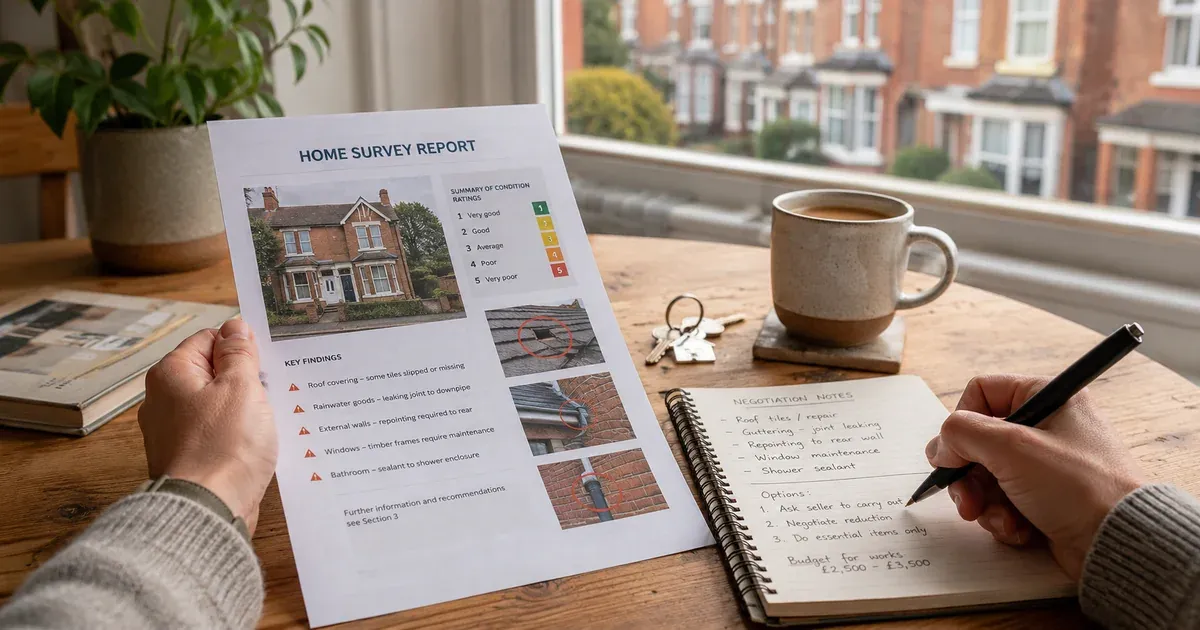
A comprehensive house survey involves a qualified surveyor inspecting the property for active or historic movement. They assess crack patterns, check foundation stability, and recommend if a specialist structural engineer is needed. Once you receive the findings, our guide to reading a home survey report explains how to understand condition ratings, recommendations and requests for further investigation.
When buying an old house, a basic mortgage valuation is not enough. We recommend reading our survey vs mortgage valuation guide, as well as why a structural survey is particularly important for older homes to better understand survey requirements. A RICS Level 3 Building Survey provides the most detailed inspection and is designed for older, larger, unusual or visibly altered properties.
Your surveyor will look beyond cosmetic finishes. They inspect the loft space, check the damp-proof course, and evaluate drainage systems. Leaking drains contribute to subsidence because escaping water washes away soil supporting the foundations. Find out what a surveyor checks during a house survey in more detail.
Pro tip: If you are preparing to make an offer on a period home, use Moving Compared to compare quotes from RICS-regulated surveyors in your local area. Finding a surveyor who understands local soil conditions and historic building methods is the best way to protect your investment.
What happens during the conveyancing process if subsidence is found?
During the conveyancing process, if a survey reveals subsidence, your conveyancer will investigate the property's history for previous underpinning or insurance claims. They ensure all legal documentation and guarantees are in place before you commit to exchanging contracts. Additional reports, enquiries and insurance checks can extend the legal process. See our guide to how long conveyancing takes for a breakdown of the usual stages and common causes of delays. Discovering structural issues does not automatically mean you have to walk away from your dream home, but it does mean your legal team needs to work harder.
If the property has previously suffered from subsidence, your conveyancer will investigate the repairs and request any available supporting documents. These may include a Certificate of Structural Adequacy, structural engineer’s reports, details of previous insurance claims and guarantees for the remedial work. If the property was underpinned, they should also check that building regulations approval was obtained and that a completion certificate was issued. You should confirm that suitable buildings insurance is available before exchanging contracts. A history of subsidence does not necessarily make a property uninsurable, but it may reduce the number of insurers willing to provide cover or result in higher premiums, increased excesses or special conditions.
Because this legal work is complex, you need an experienced property solicitor. Compare trusted, regulated conveyancers with Moving Compared to find a legal expert who knows exactly how to handle complex period property transactions.
The impact of subsidence on your removal and moving timeline
Discovering subsidence often delays your moving timeline while you arrange specialist structural reports or renegotiate the purchase price. This uncertainty makes flexible booking arrangements with your chosen removal company particularly important.
A major structural defect can bring the home-moving process to a temporary halt. You may need to wait for a structural engineer’s report, obtain repair estimates and decide whether to renegotiate your offer. Our guide to negotiating after a home survey explains how professional reports and repair quotes can support your request.
During this delay, your proposed completion date will likely shift. It’s important you communicate clearly with your removal firm. They are used to the unpredictable nature of UK property transactions and can often offer flexible cancellation or postponement policies if unexpected survey results delay your chain.
In summary
Spotting the signs of subsidence early can save you tens of thousands of pounds in repair bills. While period properties offer unmatched character and charm, their age and construction methods make them inherently more vulnerable to ground movement. Never rely on a quick visual inspection. Always instruct a RICS Level 3 Building Survey and work with an experienced conveyancer to uncover the true history of the building.
Ready to build your moving team? Compare quotes for trusted conveyancers, surveyors, and removal companies all in one place with Moving Compared.
Disclaimer: The information provided in this article is for informational purposes only and does not constitute financial or legal advice. If you are applying for a mortgage on a property with structural issues, you should consult an independent financial adviser or mortgage broker to discuss your lending options.