The pros and cons of buying a Victorian terrace vs a modern semi-detached
Compare the charm and character of a Victorian terrace against the efficiency and convenience of a modern semi-detached to find your perfect home.
6 mins read
05-08-2026
Written by

Editorial Team
Similar Guides


Key takeaways:
- Victorian terraces offer architectural character and central locations but often involve higher maintenance and energy costs.
- Modern semi-detached homes provide better energy efficiency and lower initial maintenance, typically with off-road parking and contemporary layouts.
- Surveys are critical for both: a Level 3 survey is generally recommended for older homes, while a Level 2 survey or snagging report may suit a modern property.
- Conveyancing for older properties can be more complex because of historical titles, whereas modern homes may involve service charges, estate management arrangements or warranties.
Choosing between a period property and a contemporary build is one of the most significant decisions in the UK housing market. It balances the desire for history and character with the practicalities of modern living and energy efficiency.
Each property type offers a distinct lifestyle. Understanding the long-term financial and practical implications is essential for a successful move. Remember to consider the full cost of buying, including maintenance, surveys, legal fees and any tax due. Our 2026 Stamp Duty guide explains the current rates and how the tax may affect your buying budget, while our conveyancing fees explained and house survey costs offer guidance on costs for professional services.
Comparing Victorian terraces and modern semi-detached homes
Choosing between a Victorian terrace and a modern semi-detached home depends on your priorities. Terraces offer character and central locations. Modern semis provide energy efficiency and lower maintenance. Your decision should balance your lifestyle preferences with your long-term budget.
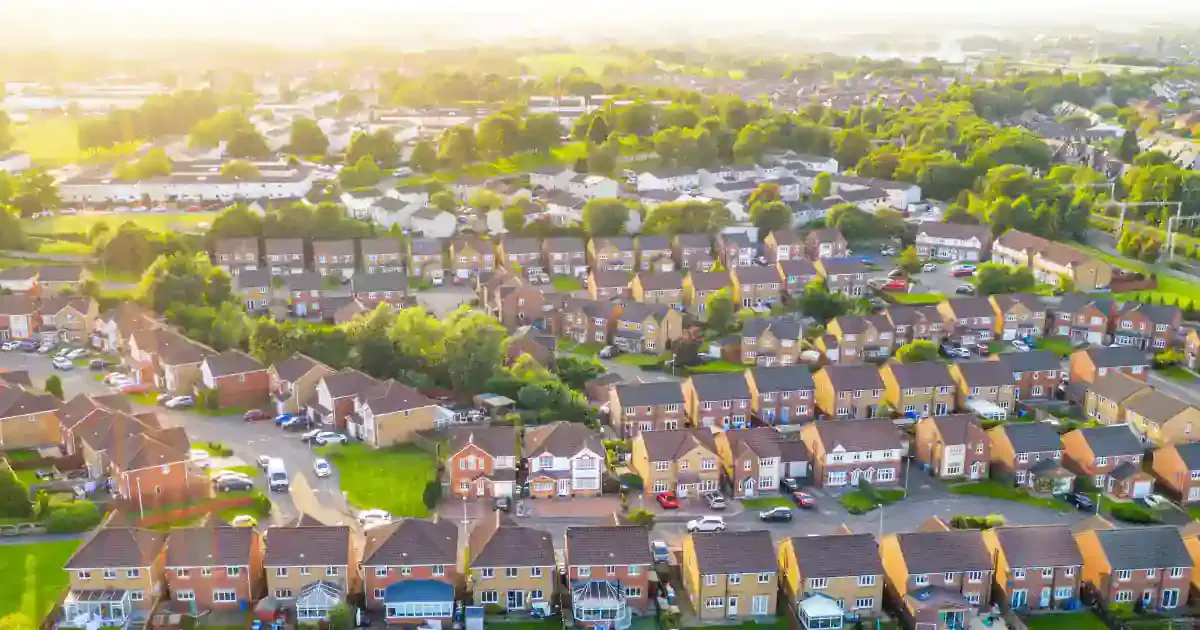
Victorian terraces were built during Queen Victoria’s reign, from 1837 to 1901, often to house the growing urban population during the Industrial Revolution. They are typically found in established towns and cities, offering convenient access to shops, transport links and other amenities. In contrast, modern semi-detached homes are commonly found on suburban developments and are designed for households that value quieter streets, private parking and contemporary living spaces.
When weighing these options, think about your daily routine. Do you prefer high ceilings and original fireplaces, or value an en-suite bathroom, driveway or garage more? The answer often depends on how much time and money you are prepared to invest after moving in.
Advantages of buying a period property
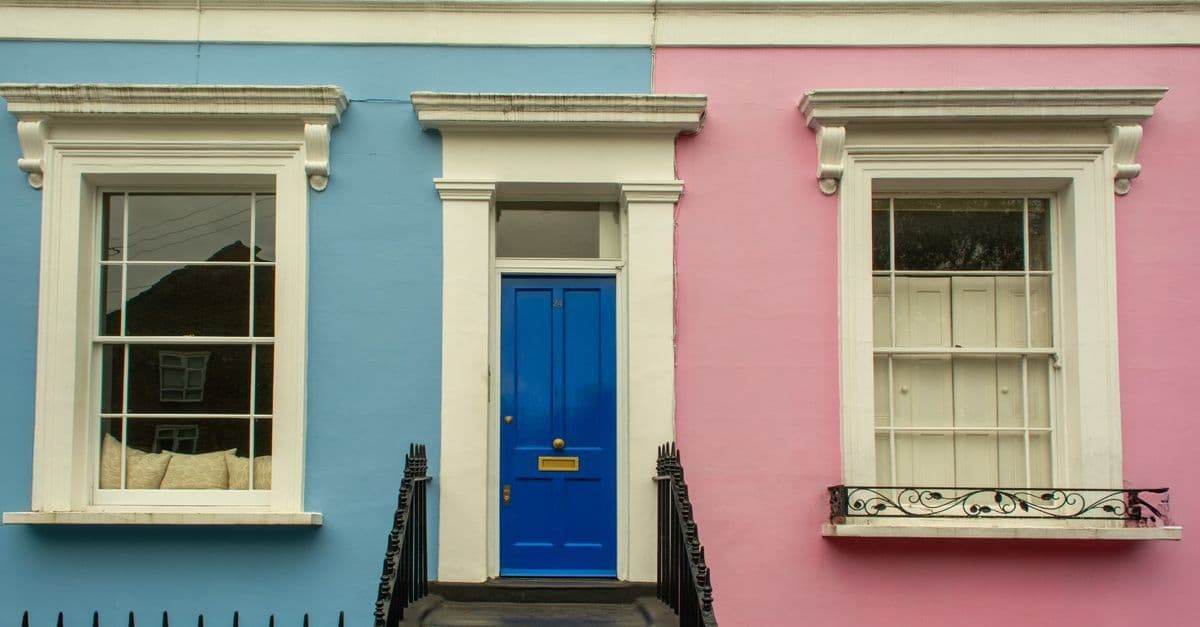
Older homes, particularly Victorian terraces, are prized for their architectural character, high ceilings and generous room proportions. They are often located in established communities with good transport links and may offer significant potential for value-adding renovations or extensions. The sense of history in a Victorian home is difficult to replicate. You may find intricate plasterwork, decorative tiles, original fireplaces and solid internal walls, and because many were built before widespread car ownership, these properties are frequently situated in walkable neighbourhoods where shops, cafés and public transport are within easy reach.
Pro tip: Check whether a Victorian terrace is in a conservation area. This can help protect the character of the neighbourhood, but it may restrict external alterations such as replacing windows, changing roofing materials or adding an extension.
Benefits of a modern semi-detached house
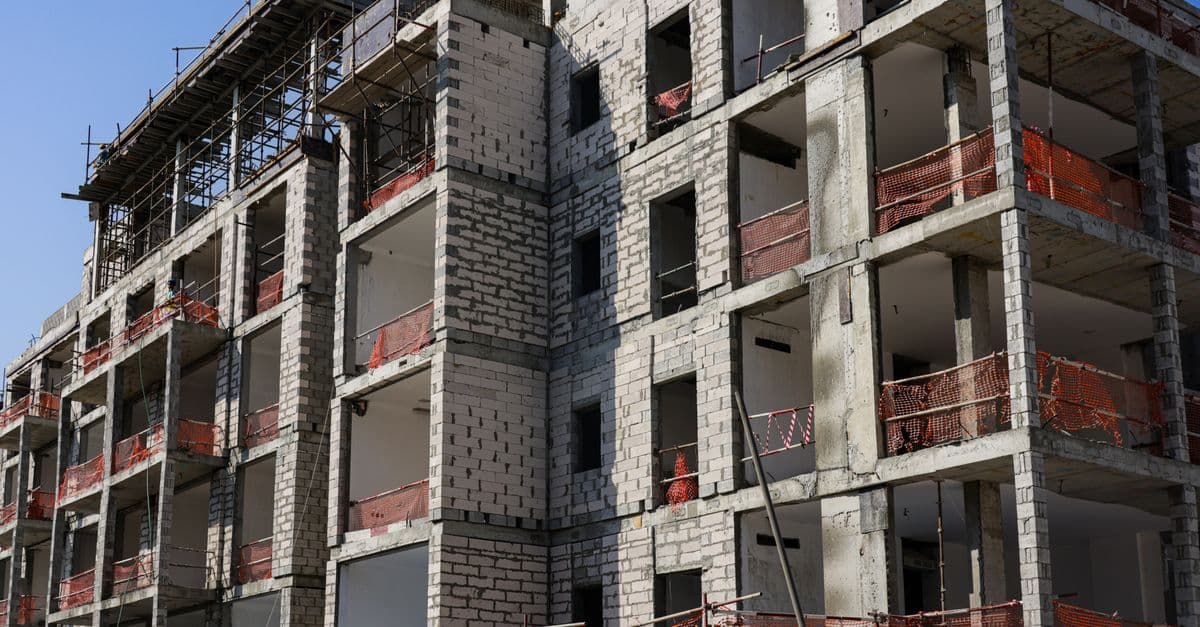
Modern semi-detached houses tend to perform well in terms of energy efficiency, often achieving higher EPC ratings and therefore lower utility bills. They commonly offer contemporary layouts, off-road parking, garages and, for newer properties, the protection of a new-build warranty. Living in a modern home may mean less maintenance during the first few years of ownership. Plumbing, heating and electrical systems should be relatively up to date, and the layout is more likely to reflect how people live today, with open-plan kitchen-diners, downstairs toilets and multiple bathrooms.
Modern building standards also generally require better insulation than you would find in an unmodernised period property, helping the home retain heat during winter.
Maintenance and upkeep costs for different property ages
Maintenance costs for Victorian terraces are generally higher due to ageing brickwork, timber decay, older roofing materials and outdated plumbing or electrical systems. Modern homes typically need less immediate upkeep but can still have construction defects, poor finishes or snagging issues. With a Victorian property, you become a custodian of an older building. You may need to budget for work like repointing brickwork with appropriate mortar, repairing timber windows, upgrading electrics or investigating damp. Read our guide on best surveys for Victorian houses for a better understanding of the type of RICS level survey needed on these older properties.
Modern homes are normally built with cavity walls, damp-proof courses and newer materials that reduce the likelihood of some traditional problems. Nevertheless, buyers should still examine the quality of the construction and finish carefully.
Pro tip: Always check whether a modern semi-detached home is being sold as freehold or leasehold. Some freehold properties on newer developments are also subject to estate management charges. Our guide to freehold versus leasehold ownership explains the key differences and the questions buyers should ask.
Energy efficiency in older and newer homes
Modern homes are generally more energy efficient as they often include cavity wall insulation, modern double glazing and efficient heating systems. Victorian terraces often have solid walls, older windows and draughts, causing greater heat loss and higher energy bills.
The Energy Performance Certificate, or EPC, is an important document when comparing properties. A modern semi-detached home may achieve a rating of B or C, while an unmodernised Victorian terrace could have a lower rating. Our guide on EPC ratings offer guidance on EPC and how to improve them.
Improving an older home might involve insulating solid walls, upgrading the heating system, draught-proofing doors and windows or installing suitable double glazing. These can be significant investments, especially if the building is listed or in a conservation area. However, planned improvements can make a period property much warmer and more efficient.
Legal considerations and the conveyancing process
Conveyancing for a Victorian home may involve examining historical title information, rights of way, shared access arrangements and unclear or long-established boundaries. Modern properties can have more recently registered titles but may include service charges, estate management fees, restrictive covenants or developer warranties that require scrutiny.
For a Victorian terrace, your conveyancer may need to investigate matters such as shared passageways, access to rear gardens or responsibility for boundary walls. For a modern semi-detached home, the focus may include checking planning and building regulation approvals, reviewing management company arrangements and confirming whether any new-build warranty is transferable.
The type of property you choose can also affect the wider transaction, particularly when several sales and purchases are dependent on one another. Our guide to buying a house in a property chain explains how chains work, what commonly causes delays and how you can help keep your move on track.
Using an experienced conveyancing professional will help ensure these details are examined correctly before you commit to the purchase.
Structural surveys for Victorian and modern buildings
A property survey can identify hidden defects such as damp, roof problems or structural movement in an older home, as well as construction defects and snagging issues in a newer property — our 10 common house survey problems is a great read to understand in more detail the various defects detected in a house survey. A survey provides an independent assessment of the building’s condition, helping you decide whether to proceed, renegotiate the price or budget for repairs.
As our best surveys for Victorian houses guide explains, a Level 3 Building Survey is often recommended for Victorian styled properties. It is the most detailed type of RICS home survey and is particularly suitable for older, altered, unusual or visibly deteriorated properties. For a modern semi-detached home in reasonable condition, a Level 2 Home Survey may be sufficient. Buyers purchasing a newly built home may also want a specialist snagging inspection to identify defects that the developer should correct.
You can compare property surveyors and obtain quotes through Moving Compared to help you select an appropriate survey for the age and condition of the property.
Logistical differences during the removal process
Moving into a Victorian terrace can involve navigating narrow streets, limited parking, tight hallways and steep staircases, requiring extra planning. Modern semi-detached homes usually have better road access and private driveways, making the move more straightforward and potentially reducing removal costs.
Victorian streets were not designed with large removal vehicles in mind. Your removal company may need to use a smaller vehicle, carry items over a greater distance or arrange a parking suspension or permit with the local council. Modern estates tend to be more accessible, although you should still check for narrow access roads, allocated parking rules or restrictions affecting commercial vehicles.
Obtaining a tailored house removals quote will help account for these logistical challenges before moving day.
Making your choice
Deciding between a Victorian terrace and a modern semi-detached home is a balance between heart and head. A terrace can offer history, character and a central lifestyle, while a modern semi-detached home may provide greater energy efficiency, convenience and contemporary comforts.
Look beyond the initial purchase price and consider the likely maintenance, energy, legal and ownership costs associated with each property. A thorough survey and careful conveyancing checks will help you understand exactly what you are buying.
Whichever property you choose, Moving Compared can help you find the professionals you need for your move, from conveyancers and property surveyors to reliable removal companies.