
The complete guide to packing services in the UK
Whether you’re moving across town or across the country, here’s everything you need to know about packing services, materials, and best practices for a smooth UK home move.
5 mins read
04-08-2026
Written by

Editorial Team
Similar Guides


Removal companies
Find the help you need for your home move with our trusted removal companies.
Why packing matters more than you think
Packing might seem like the “easy” part of moving, until you’re surrounded by half-filled boxes at midnight, wondering how you accumulated so many mugs. In reality, packing is the foundation of a successful move. When done properly, it protects your belongings, keeps your move organised, and significantly reduces stress on moving day. When done badly, it leads to broken items, delays, and frantic last-minute repacking.
UK removal companies consistently report that damage claims are far more common in self-packed moves than in professionally packed ones. That doesn’t mean DIY packing is wrong, but it does mean packing requires planning, the right materials, and realistic time expectations.
Whether you choose to pack everything yourself, hire professionals, or use a combination of both, understanding how packing services work will help you make smarter decisions and avoid common (and costly) mistakes.
Types of packing services and what they include
Professional packing services are designed to take the most time-consuming part of moving off your plate. Most UK removal companies offer flexible options depending on your budget, timeline, and confidence level.
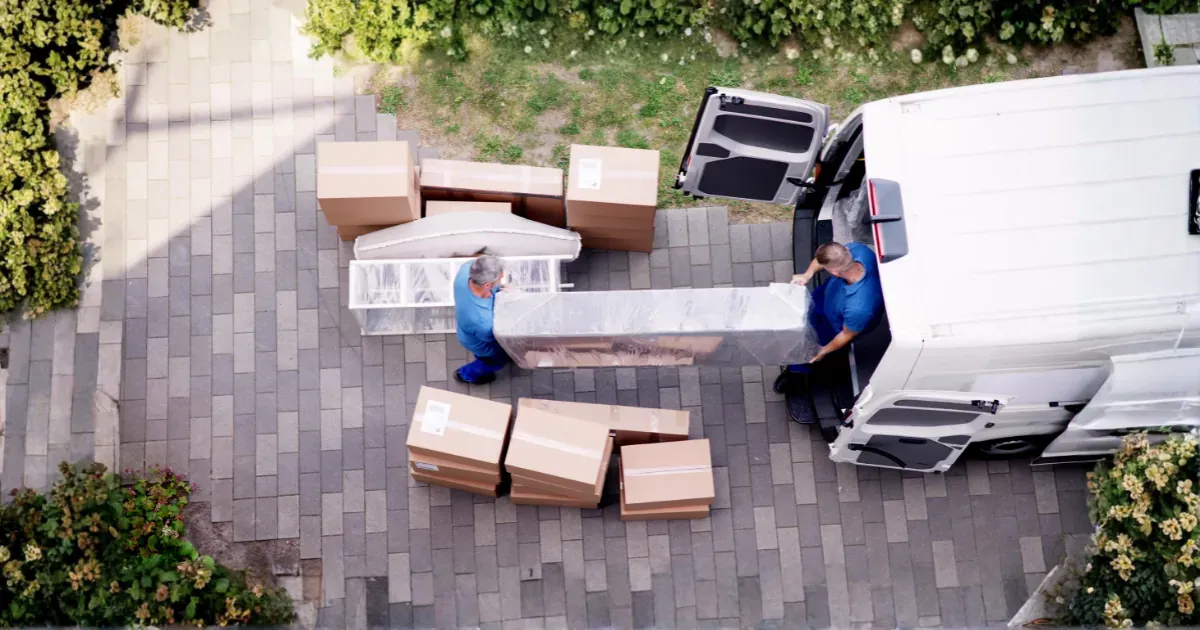
A full packing service is the most hands-off option. The packing team arrives with all materials (boxes, paper, tape, and protective coverings) and packs everything in your home, usually in one day. They label each box clearly and prepare items for safe transport. This option is ideal if you’re short on time, moving a larger home, or simply want minimal disruption.
A partial packing service offers a middle ground. You pack personal items such as clothes, documents, or sentimental belongings, while the professionals handle the heavier or more fragile items like kitchenware, artwork, and furniture. Many UK home movers choose this option because it balances cost savings with peace of mind.
There’s also fragile-only packing, which focuses on items most likely to break, like glassware, mirrors, electronics, artwork, and ornaments. This is a popular add-on for people who are otherwise happy to pack themselves but want reassurance for high-risk items.
In terms of cost, packing services in the UK typically add £250–£600 to your moving bill, depending on property size, item volume, and fragility. While that may feel like a significant extra, many movers find it saves days of effort — and a lot of nerves.
Packing materials: what professionals use
One of the biggest advantages of professional packing services is access to industry-grade materials. These are designed specifically for transport, stacking, and long journeys — not the reused supermarket boxes many of us rely on.
Professional movers typically use double-walled cardboard boxes, which are far stronger than standard single-wall boxes and can safely carry heavier items like books or cookware. Fragile items are wrapped in clean packing paper and bubble wrap, not newspaper (which can stain and tear).
Wardrobe boxes allow clothes to be transported hanging, crease-free, and ready to wear at the other end — a small luxury that feels huge after a long moving day. Electronics are padded carefully, often with custom inserts, while furniture is protected with blankets, shrink wrap, or padded covers.
💡 Pro tip: Avoid using bin bags for packing household items. They tear easily, can trap moisture, and make stacking impossible — removal crews quietly hate them.
How to pack properly if you're doing it yourself
DIY packing can absolutely work, but it needs structure. Start earlier than you think you need to. For most UK homes, three to four weeks is a realistic timeline, beginning with items you rarely use.
Pack room by room and label boxes clearly with both the room name and a brief contents description. This helps movers place boxes correctly and makes unpacking far less chaotic. Keep boxes a manageable weight, as many injuries and breakages happen because boxes are overfilled.
Fragile items should be wrapped individually and packed snugly so they don’t shift in transit. Plates should be packed vertically (like records, not stacks), glasses should be boxed with dividers, and cables should be labelled or photographed before unplugging electronics.
Create an “open first” box for each household member with essentials like chargers, toiletries, medication, and a change of clothes. It sounds obvious but it’s often forgotten until it’s too late.
Room-by-room packing considerations
Certain rooms consistently cause problems during moves. Kitchens, for example, contain a high concentration of fragile items and awkward shapes. Packing them properly takes time and patience. Living rooms often house expensive electronics that need careful preparation, while bedrooms are deceptively time-consuming due to clothing volume. Bathrooms present their own challenges, particularly with liquids. All toiletries should be sealed in zip bags and packed separately to avoid leaks.
Professional packers excel here because they’ve done it thousands of times. They know what breaks, what leaks, and what needs extra protection, often before you realise it yourself.
How professional packers save time (and stress)
One of the biggest benefits of professional packing is speed. What might take you three or four evenings after work can often be completed by a trained team in a single day. They work methodically, use consistent labelling systems, and pack with transport in mind — not just storage.
This efficiency reduces moving-day delays, lowers the risk of damage, and often improves insurance coverage. Many removal companies offer better liability protection when they’ve packed the items themselves, as they can control how everything is wrapped and stacked. There’s also the mental benefit: fewer decisions, less clutter, and more energy for the dozens of other tasks that come with moving home.
Eco-friendly packing options in the UK
Sustainability is becoming a major consideration for UK movers, and packing is an area where small changes can make a big difference. Many removal companies now offer reusable plastic crates, which eliminate cardboard waste entirely and stack more securely.
Biodegradable packing paper, recycled cardboard boxes, and take-back schemes for used materials are also increasingly common. If eco-friendly packing matters to you, ask providers about their green options — it’s now a genuine differentiator in the industry.
Final thoughts
Packing is far more than putting things in boxes. It’s about protecting your belongings, your time, and your sanity during one of life’s most stressful events. For some, DIY packing makes sense; for others, professional services are a worthwhile investment that pays for itself in speed and peace of mind.

FAQs
Related Guides

Removal companies
Find the help you need for your home move with our trusted removal companies.