
What is a snagging survey? A complete guide for new builds
A snagging survey is a vital quality control check for new build homes, identifying defects that developers must fix. Learn how this professional inspection protects your investment and ensures your new property meets the highest standards.
9 mins read
04-08-2026
Written by

Editorial Team
Similar Guides

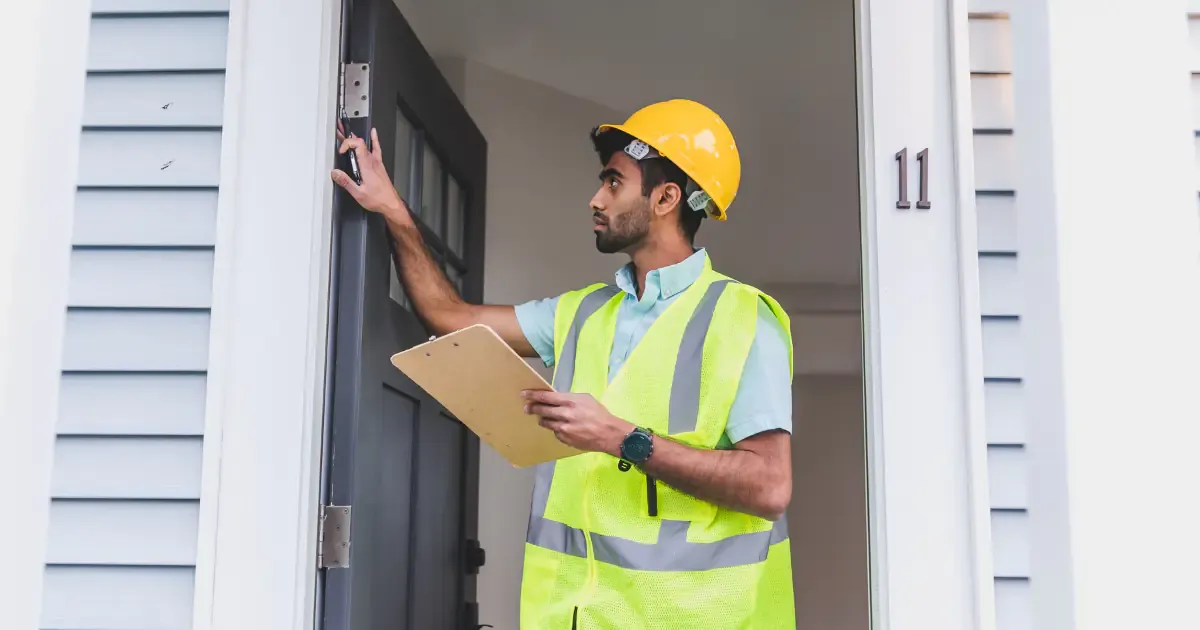
Key takeaways
- A snagging survey is a specialist inspection designed to identify defects and poor workmanship in new build properties before or shortly after you move in.
- Purpose: To create a detailed list of issues that the developer is contractually obliged to fix under their initial two-year warranty period. It focuses on the finish and workmanship of a new home, whereas a RICS survey is better suited for assessing the structural health of older properties.
- Costs range from £300 to £900, depending on the size of the property.
- The most effective time to conduct the survey is between the exchange of contracts and legal completion to ensure repairs are made before you take possession.
A snagging survey identifies defects and poor workmanship in new build homes that developers must fix. The best time for an inspection is between exchange and completion, or immediately after moving in. Most new homes contain dozens of minor faults, but some have serious structural or service issues. Professional inspectors use specialist tools like thermal cameras to find problems that buyers often miss. Developers are typically responsible for fixing snags reported within the first two years of the warranty.
What is a snagging survey?
A snagging survey is a comprehensive inspection of a new build property that identifies defects, incomplete work, and breaches of building regulations. It provides a detailed list for the developer to rectify under their warranty obligations.
Buying a new home should mean everything is perfect, but the reality of modern construction often tells a different story. A snagging survey serves as a quality-control check. Unlike a mortgage valuation, which is a brief assessment for a lender to ensure the property is worth the loan amount, a snagging survey is for your benefit. It looks at the property through the eyes of a critical expert. For a more detailed look at these differences, you can read our guide on survey vs mortgage valuation.
These surveys are usually carried out by independent professionals or RICS surveyors who specialise in new builds. Their goal is to produce a comprehensive snagging list that you can present to your builder. This ensures that the developer, rather than you, covers the cost of repairs. It is a vital step in the buying process, much like arranging your conveyancing, finding expert surveyors or booking a removal company.
What does a snagging survey include?
A professional snagging survey includes a thorough examination of the property's internal and external areas, along with a check of all essential services. It ensures every aspect of the build meets industry standards.
This survey covers everything from cosmetic finishes like paintwork and tiling to functional elements such as plumbing and electrics. A professional inspector will look at three main areas:
Interior checks
The interior inspection is highly detailed, focusing on the quality of the living space.
- Paintwork: Inspectors look for uneven coverage, drips, splashes on sockets, and poor finishing around edges.
- Plastering: Checking for cracks, visible joints, and nail pops that suggest the plaster has not settled correctly.
- Flooring: Ensuring carpets are fitted securely and hard floors are level, without any unwanted movement or creaks.
- Doors and windows: Testing every handle, hinge, and lock to ensure they operate smoothly and are sealed against draughts.
- Kitchens and bathrooms: Checking for secure units, correct tiling, and ensuring there are no hidden leaks behind cabinets or under baths.
Exterior checks
The exterior of the property is just as important for long-term durability and safety.
- Brickwork and render: Looking for damaged bricks, messy mortar pointing, or cracks in the render that could allow moisture in.
- Roof and gutters: Checking for loose or missing tiles and ensuring gutters are angled correctly to prevent water pooling.
- Paths and drainage: Confirming that paving is level and that garden drainage works effectively to prevent waterlogging.
- Fencing: Ensuring all boundary fences are stable, correctly positioned, and that gates function as intended
Services and utilities
Functional elements must be checked to ensure the home is safe and efficient.
- Heating: Testing every radiator to ensure they heat up fully and checking the boiler installation for compliance.
- Plumbing: Running all taps and showers to check for leaks, adequate water pressure, and correct drainage.
- Electrics: Ensuring all sockets and switches are straight, secure, and functioning correctly.
- Ventilation: Checking that extractor fans in the kitchen and bathrooms are venting outside rather than into the loft space.
Common defects found in new build homes
Defect category | Example of issue | Why it matters |
|---|---|---|
Cosmetic | Scratched window glass | Expensive to replace once you have moved in |
Structural | Uneven floor levels | Can indicate issues with the subfloor or joists |
Plumbing | Slow leak under the bath | Leads to rot and mould over time |
Thermal | Missing loft insulation | Increases energy bills and makes rooms cold |
Safety | Loose stair banisters | Poses a risk to residents, especially children |
When should you get a snagging survey?
The best time to get a snagging survey is between the exchange of contracts and legal completion. This allows the developer to fix any issues before you move your furniture into the property.
While getting the survey done before you move in is preferable, it is not always possible. Some developers cite health and safety reasons to prevent third-party inspectors from entering the site before handover. If this happens, do not worry. You can still have the survey conducted once you have moved in. In fact, living in the house for a few days can sometimes help you spot issues like draughts or noisy pipes that a quick inspection might miss. In fact, some issues only become apparent after the house has been lived in for a short time, such as how the heating performs or if any leaks appear under pressure.
Most new-build warranties, such as those provided by the NHBC or LABC, last for 10 years. However, the first two years are known as the builder warranty period. During this time, the developer is responsible for fixing most defects. It is wise to have your survey completed well before this two-year window closes to ensure the builder remains liable for the repairs.
How much does a snagging survey cost?
A snagging survey in the UK typically costs between £300 and £900. The price depends on the property's size, number of bedrooms, location, the level of detail in the final report, and whether you require a re-inspection after repairs are made.
Investing in a survey is a small price to pay compared to the potential cost of fixing major defects yourself. A larger house takes longer to inspect and results in a longer report, which is why prices scale with the number of bedrooms.
Property type | Typical cost range | |
|---|---|---|
One or two bed flat | £300 to £500 | |
Three bed semi-detached house | £400 to £600 | |
Five bed detached house | £600 to £900+ |
Pricing is affected by the level of detail in the report and by the equipment used, such as thermal imaging cameras for detecting heat loss. While it may seem like an extra expense during an expensive move, the cost is often offset by the developer fixing issues that would otherwise cost you thousands in the future. For a broader look at all potential costs, see our article on house survey costs.
Is a snagging survey worth it?
A snagging survey is highly recommended for new build buyers because it provides peace of mind and protects your financial investment. It ensures that the builder, not the homeowner, pays for necessary repairs and corrections.
Pro tip: Even if a house looks perfect, a professional often finds over 100 minor faults. These small issues can add up to thousands of pounds in future maintenance if left unaddressed. By presenting a professional report, you carry more weight with the developer than if you simply complained about a few paint splashes yourself. This process is just one part of protecting your move and ensures you get the quality you paid for.
By identifying issues early, you avoid the stress of negotiating with the developer months or years down the line when they may have moved on to a new site. This proactive approach is a key part of a successful move, alongside choosing the right conveyancer and removals team.
Snagging survey vs RICS survey
A snagging survey focuses on the quality of the finish and minor defects in new builds, whereas a RICS survey assesses the structural integrity and overall condition of older properties.
Choosing the right survey is essential for understanding the health of your potential home. If you are buying a brand-new property, a snagging survey is the standard choice. If you are buying an older home, you might need a RICS Level 2 or Level 3 survey.
Feature | Snagging survey | RICS Level 2 | RICS Level 3 |
|---|---|---|---|
Property type | New builds only | Modern existing homes | Older or complex homes |
Focus | Finish and workmanship | General condition | Full structural detail |
Defect list | Detailed list for builder | Summary of risks | In depth repair advice |
If you are unsure which level of inspection your property needs, our guide to house surveys explains a full breakdown of each type. You can also learn more about the specific checks performed in our article on what does a survey check.
What happens after the survey?
After the survey, you will receive a detailed report containing photos and descriptions of every defect found. You should send this report to your developer immediately and request a timeline for the repairs.
The developer will review the list and schedule their tradespeople to fix the issues. Some developers are more responsive than others, so it helps to keep a record of all communications. Once the work is finished, you can choose to have a re-inspection. This is where the surveyor returns to confirm that the snags have been resolved properly rather than just covered up with filler or paint.
Can you do your own snagging inspection?
You can perform your own snagging, but a professional surveyor has the expertise and equipment to spot hidden issues. Professionals understand building regulations and can identify technical faults that a layperson would likely overlook.
Doing it yourself might save you the initial fee, but you risk missing significant problems, such as insufficient loft insulation or poorly installed damp-proof courses. A professional inspector uses tools like moisture meters and thermal cameras to see through walls and under floors. They also know exactly what the current UK building standards require, giving you a much stronger position when negotiating with the developer.
In other words
A snagging survey is an essential safeguard for anyone buying a new build home in the UK. By identifying defects early, you ensure your home is safe, energy efficient, and finished to the standard you expect. Whether you are at the start of your journey and looking for survey vs mortgage valuation advice or you are ready to move, being prepared is key.
Ready to protect your new investment? Use Moving Compared to find the best quotes for your surveying, conveyancing, and removals needs today.

FAQs
Related Guides
RICS Level 1 surveys explained
5 mins read
What is a Home Report in Scotland?
5 mins read