How to buy a repossessed house in the UK?
Buying a repossessed house can offer good value, but the process is faster and riskier than a standard property purchase. This guide explains how repossession sales work, where to find them, how to arrange finance and how to protect yourself from being outbid.
6 mins read
04-08-2026
Written by

Editorial Team
Similar Guides


When a lender repossesses a property, it wants one thing: its money back, as quickly as the law allows. That makes repossessed houses some of the most keenly priced stock on the market, and some of the most awkward to buy. The seller knows little about the property, sells it strictly as seen, and will keep marketing it right up to exchange even after accepting your offer. Here is how repossession sales work, where the genuine value lies, and how to protect yourself through the process.
How repossessed properties are sold
Lenders dispose of repossessed stock through two channels: a large share goes to property auctions, where speed and transparency suit the lender's obligations, and the rest is sold through ordinary estate agents, usually with wording like "no onward chain" and "sold as seen" in the listing. Asset management companies often handle the sale on the lender's behalf, so the counterparty can feel oddly anonymous compared with a normal transaction.
Importantly, the lender is under a legal duty to obtain the best price reasonably obtainable for the property, because any surplus after the debt is cleared belongs to the borrower. That duty shapes everything that follows.
The public notice and the risk of being outbid
The consequence of the best-price duty is the feature buyers find most frustrating: acceptance of your offer means much less than usual. When a lender accepts an offer through an estate agent, a public notice is typically placed announcing the sale price and inviting higher offers within a set period. The property also stays on the market until contracts are exchanged, so you can be outbid at any point, even after you have paid for a survey and legal work.
There is one defence: speed. The faster you can get from offer to exchange, the smaller the window for a rival bid. Have your mortgage agreement in principle ready before you offer, instruct a conveyancer the day your offer is accepted, and book the survey immediately. A buyer who exchanges in three weeks is far harder to gazump than one who drifts for two months.
Sold as seen: what that really means
In a normal sale, the seller completes detailed property information forms and answers enquiries about the building's history. A lender has never lived in the property and will answer almost nothing. You buy on the strength of your own investigations, which makes two things non-negotiable.
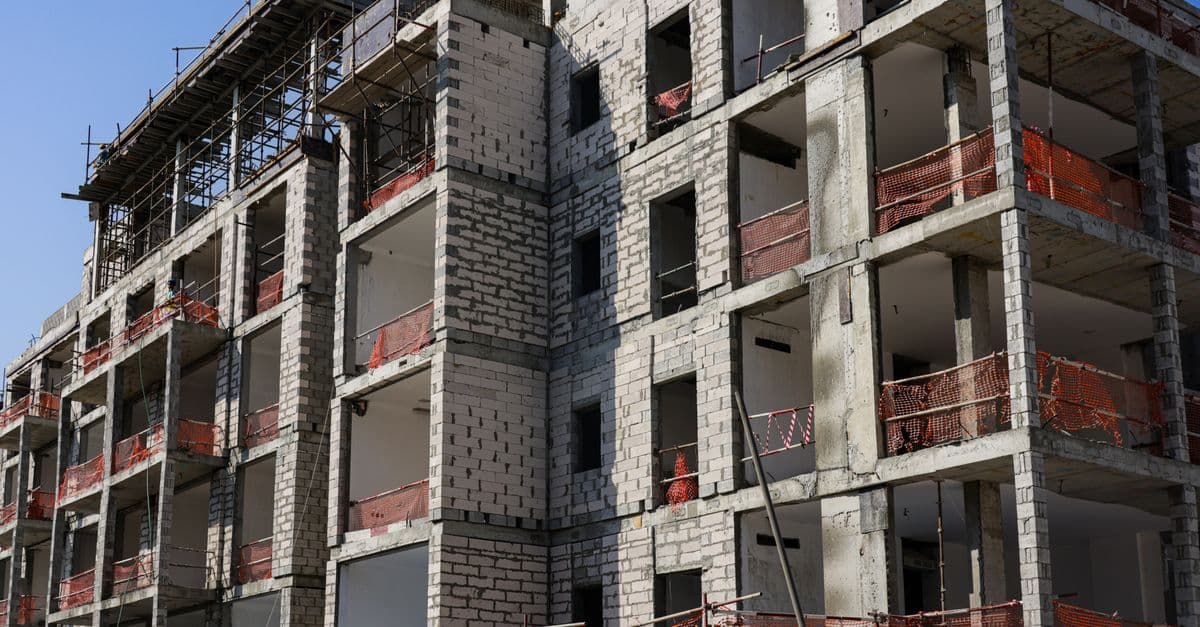
- A property survey: Repossessed homes are frequently in poor condition. Heating systems may have been drained, utilities disconnected, fixtures removed, and maintenance neglected for years. Budget for reconnection and repair before you decide what the discount is really worth.
- Thorough legal work: Your conveyancer will run full searches and examine the title, but must work around the information gap. Indemnity insurance often plugs holes, such as missing building regulations certificates, that a normal seller would explain away.
Check the practical details too. Repossessed properties can come with historic utility debts attached to meters, and prepayment meters that need replacing. None of this is disastrous; all of it belongs in your budget.
Financing and timescales
Repossession sales run fast. Lenders commonly set tight deadlines for exchange, sometimes 28 days from acceptance of offer, mirroring auction timescales. Cash is king, but a mortgage is workable if it is genuinely ready to go. One wrinkle worth knowing: if the property is in a condition a lender deems unmortgageable, no kitchen or bathroom for instance, you may need bridging finance or cash and a refurbishment plan before a conventional remortgage.
If the property is being sold at auction rather than by an agent, everything in our auction guides applies: a binding contract on the hammer, a 10 per cent deposit on the day and completion typically 28 days later, with the legal pack reviewed before you bid.
Where to find repossessed properties
There is no single official listing. Auction catalogues are the richest seam: the major national and regional auction houses publish lots several weeks before each sale, and repossessions are usually identifiable from the seller being described as a mortgagee in possession. On the estate agency side, look for listings that combine "no onward chain" with "sold as seen" wording, and tell local agents directly that you are a proceedable buyer interested in repossession stock; asset managers instruct the same agents repeatedly, and a buyer with finance ready sits at the top of the call list when the next instruction lands. When you do offer, present yourself the way the lender's agent scores you: proof of funds, mortgage agreement in principle, solicitor's details, and a realistic exchange date, all in the first email.
Is the discount real?
Sometimes, repossessed properties often sell below comparable market value, reflecting condition, the 'as-seen basis' and the lender's appetite for a quick, certain sale. But the headline discount narrows once you add repair costs, reconnections, indemnity policies and the risk premium of a competitive process. Value the property as it will cost you finished, not as it is priced in the listing, and set your walk-away number before the public notice invites someone to beat you.
The bottom line
Buying a repossessed house is a race you can win with preparation. Line up finance before you offer, instruct a conveyancer who handles repossession sales and can move at exchange-in-weeks pace, survey early, and hold your nerve on price.
The government's guidance on buying a home covers the standard process; a repossession compresses it and strips out the seller's knowledge, so you have to fill the gap. Compare conveyancing quotes with speed in mind: on these sales, the fast buyer beats the slightly higher bidder more often than you would think.