
95% Mortgages: How a 5% deposit could be enough
Dreaming of your own front door but only saved a 5% deposit? You're not alone.
3 mins read
04-08-2026
Written by

Editorial Team
Similar Guides

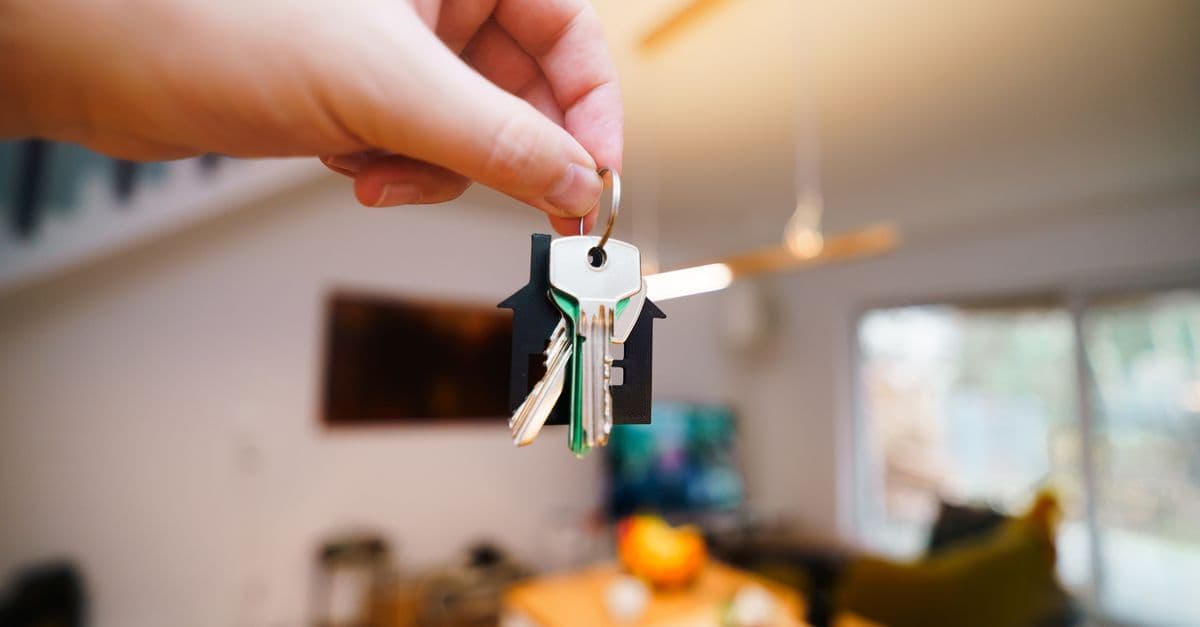

Thousands of UK buyers are discovering that 95% mortgages could be their ticket onto the property ladder, and we're here to show you exactly how they work, what they'll cost you, and whether they're right for your move.
95% mortgages explained (in 30 seconds)
A 95% mortgage covers 95% of your property's value, meaning you only need a 5% deposit. Sounds simple? It pretty much is.
Here's how a 95% mortgage works in practice:
- Property value: £200,000
- Mortgage amount: £190,000 (95%)
- Your deposit: £10,000 (5%)
- Job done!
In mortgage-like language, these are called 95% Loan to Value (LTV) mortgages, but let's stick to plain English, shall we? These mortgages are brilliant for first-time buyers and anyone moving up the ladder without masses of equity. The catch? Limited lenders and higher interest rates. But more on that in a minute.
What you need to get a 95% mortgage
Your mortgage application success depends on three key factors. The good news? You can improve all of them.
Credit rating: the make-or-break factor
Missed a few credit card payments? Don't panic but do act. Lenders scrutinise your credit history like customs officers checking your luggage — nothing gets past them.
How to improve your credit score:
- Check your rating for free with Experian, ClearScore, or Credit Karma
- Get on the electoral roll (seriously, do this today)
- Pay down existing debts
- Fix any errors on your report
💡Pro tip: Start improving your credit 6-12 months before house hunting. Your future self will thank you when lenders start saying yes.
Salary: the numbers game
Most lenders will offer 4 to 4.5x your annual salary. Buying with a partner? They'll combine your incomes.
For example:
- Your salary: £35,000
- Partner's salary: £30,000
- Combined: £65,000
- Potential mortgage: £292,500-£325,000
Affordability: Can you actually afford it?
Lenders don't just look at your salary, they stress-test your finances against rising interest rates and living costs. They want to know you'll still cope if your mortgage payments increase.
They'll examine:
- Current debts (loans, credit cards, car finance)
- Monthly expenses (yes, even that Netflix subscription)
- Future financial resilience
Where to find 95% mortgages (and what they'll cost you)
Remember when 95% mortgages virtually disappeared during COVID-19? Those days are behind us. Lenders are cautiously welcoming back buyers with smaller deposits, though your choices remain more limited than with a 10% deposit.
New build properties: a special case
Good news for new build fans, 95% mortgages are available, and you might qualify for additional help, such as help to buy equity loan, where the government could lend you 20% of your new home's cost (interest-free for five years), dramatically reducing what you need to borrow.
The plot twist: The government's 95% mortgage guarantee scheme doesn't cover new builds. Go figure.
The disadvantages of 95% mortgages
Every silver lining has a cloud, and 95% mortgages come with some genuine trade-offs.
Higher interest rates
- Expect to pay 0.7% to 1% more than standard mortgages
- Lenders view smaller deposits as higher risk
- That "small" difference adds thousands over your mortgage term
Negative equity risk
If property values drop, you could owe more than your home's worth. With only 5% equity as a buffer, you're more vulnerable to market downturns.
Higher lending charges (HLC)
Some lenders slap on extra fees, typically 1.5% of your mortgage amount. Always check the small print.
Re-mortgaging headaches
When your fixed rate ends, you might struggle to find another high-LTV deal, potentially forcing you onto your lender's expensive standard variable rate.
Alternatives to a 95% mortgage
Wait and save more
Could you hold off six months to boost your deposit to 10%? The interest savings might be worth the wait.
Guarantor mortgages
If family can't gift you cash, they might guarantee your mortgage with their own property. Risky for them, potentially brilliant for you.
Help to buy scheme
First-time buyers purchasing new builds can borrow up to 20% from the government (40% in London). Interest-free for five years, then low rates thereafter.
Shared ownership
Buy as little as 25% of a property and rent the rest. Popular in expensive areas like London, though you'll have both mortgage and rent payments.
The bottom line
95% mortgages aren't perfect, but they're opening doors for thousands of buyers who'd otherwise be stuck renting. Yes, you'll pay more in interest, and yes, the choice is limited, but if the alternative is waiting years to save a bigger deposit, they could be your route to homeownership.
The key? Understanding exactly what you're signing up for and shopping around for the best deal.